As physiotherapists, we know our time with patients is limited. That's why home exercises are essential to ensure consistent progress in rehabilitation exercises between sessions.

As physiotherapists, we know our time with patients is limited. That's why home exercises are essential to ensure consistent progress in rehabilitation exercises between sessions. Whether the goal is strength, mobility, or independence, a well-designed exercise for rehabilitation program can make all the difference.

Physiotherapists are tasked with helping patients recover efficiently, often within limited timeframes. Home exercise programs (HEPs) provide an effective extension of therapy, but how can we ensure their success?

Every patient's recovery journey is unique, and their home exercise program (HEP) should reflect that. Let's explore the key exercise categories therapists can use to craft impactful HEPs.
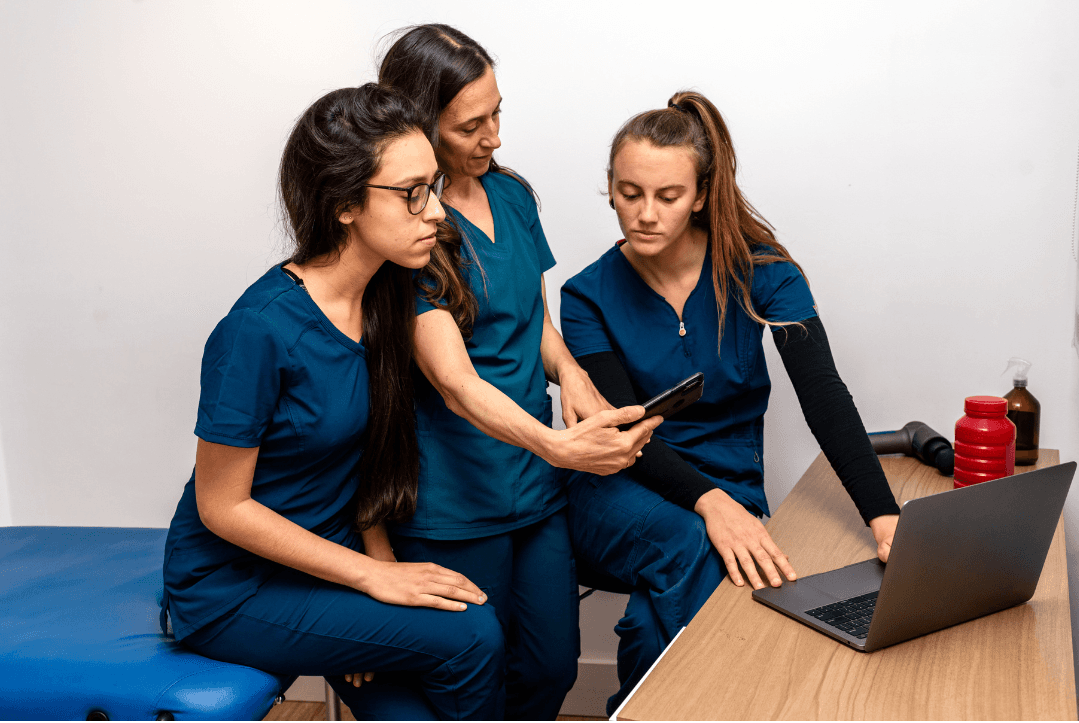
Creating a home exercise plan is only the first step. For real results, physiotherapists must ensure patients understand and stick to their routines. Move8 Health supports effective exercise for rehabilitation through expert strategies and smart digital tools.

Even the best-designed home exercise plans can fall short if patients don't follow through. Barriers like low motivation, unclear instructions, or lack of time are common. That's where smart tools like Move8 Health can improve rehab exercises adherence.
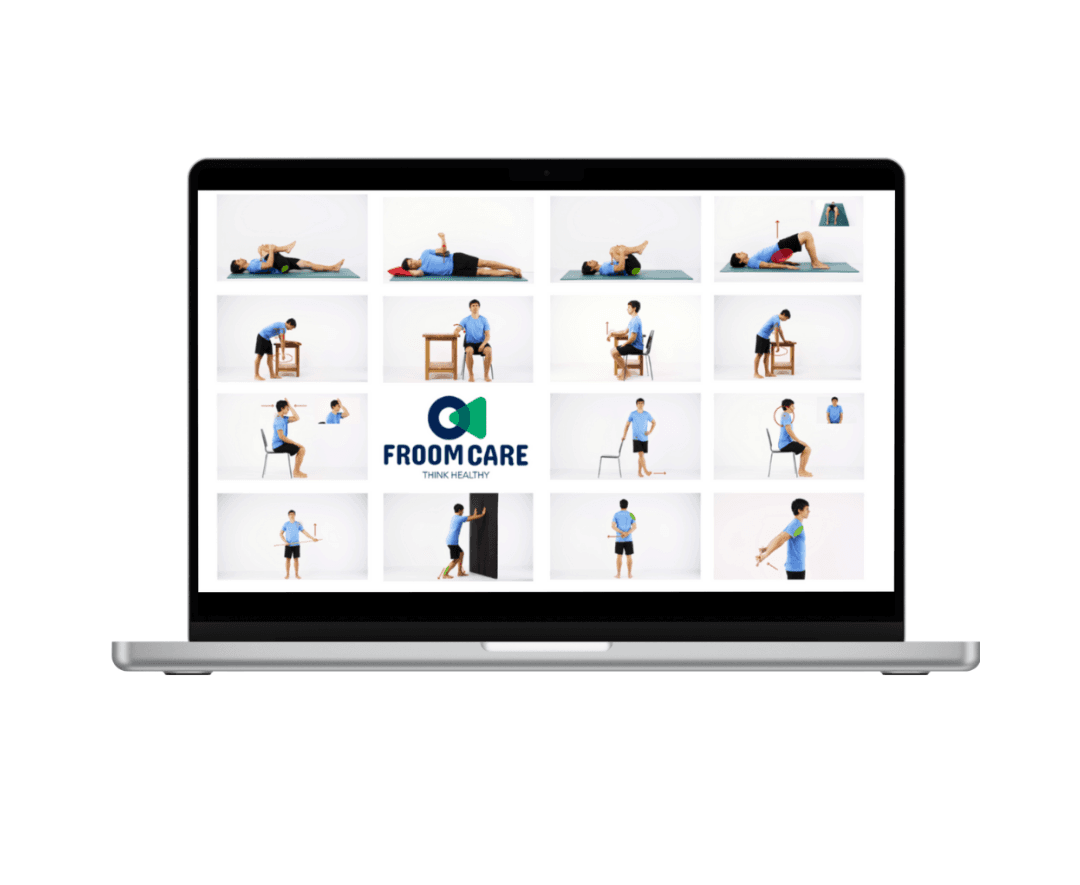
Why do some patients stick to their home exercise programs (HEPs) while others struggle? Let's analyze the adherence rates and explore ways physiotherapists can make a difference.

Adherence to home exercise programs (HEPs) is influenced by a mix of psychological, practical, and social factors. How can physiotherapists identify and address these barriers?
Join healthcare professionals who are already creating better exercise plans.
No credit card required. Set up in under 2 minutes.
